81 Days with the Tao: Verse 9

Free Clip Art

“Do your work then step back,

The only path to serenity.”

—Stephen Mitchell, Tao Te Ching, Harper Perennial Modern Classics, 1988

This is not the first time Lao Tzu has introduced this idea (Verse 2), and it won’t be the last.

This portion of Verse 9 implies that we all have work, something that is truly and rightfully ours to do, some contribution to make. Once we make it, we must let go of it; let go of the outcome. If it is not received, we should not keep offering it repeatedly, nor force it by insisting, pestering, persuading, or demanding.

“Just put it out there and let go,” I like to say to myself.

Lao Tzu says this is the path to serenity—the letting-go part, the stepping-back part. It will come as no surprise to you who read this that I have not mastered this path and that I have not yet achieved serenity. The temptation to step forward again is so great, so hard to resist. I meddle, remind, rephrase, justify. If I say it differently, perhaps then they will listen, I think.

Might serenity come from knowing I have offered my very best; my truest and most authentic work? Is that knowledge my sole reward? Rather than the reaction of those to whom I have made the offering, or the outcome of what I have proposed or done?

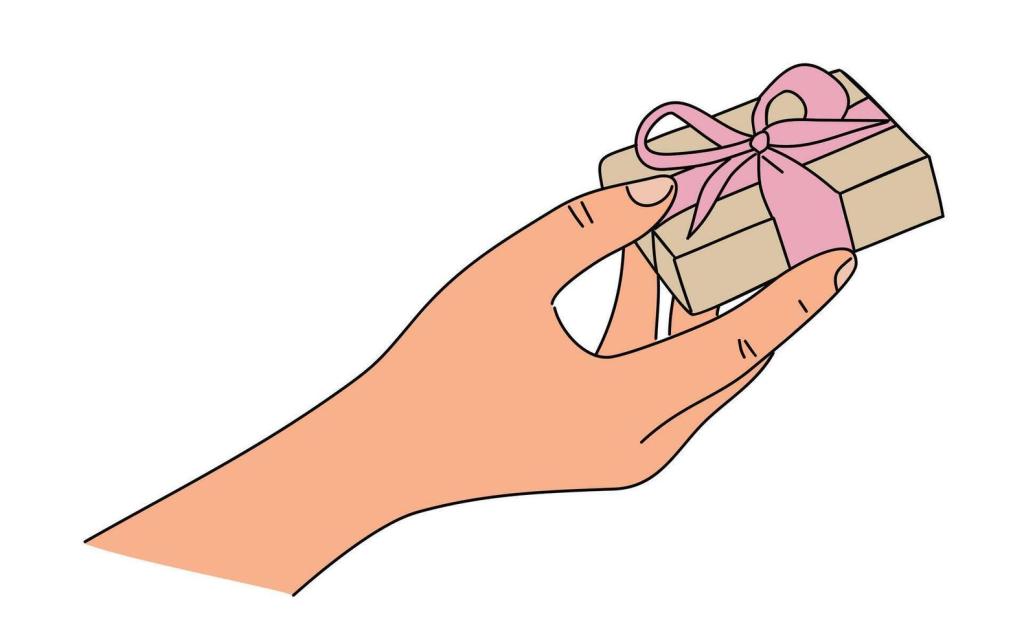
I’m struck that Stephen Mitchell used the metaphor of stepping back in his translation of this text. It conjures for me the image of stepping forward, arms outstretched, to offer a gift and then stepping back, quietly and demurely, to allow the recipient the space, time, and freedom to receive and unwrap the gift in whatever way they wish, or perhaps not at all.

In this metaphor, my work is my offering; the true action that arises from the essence of my authentic self. Lao Tzu knew what a challenge it is to give that—one’s authentic self— and to let go of how it is received. But oh, the serenity if one can meet that challenge!

May I learn how to step back and trust the outcome. May I learn how to put it out there and let go.

81 Days with the Tao: Verse 8

This is one of my favorite passages in the Tao Te Ching. It speaks to me of humility, contentment with what is, and authenticity.

“In dwelling, live close to the ground.

In thinking, keep to the simple.

In conflict, be fair and generous.

In governing, don’t try to control.

In work, do what you enjoy.

In family life, be completely present.”

—Stephen Mitchell, Tao Te Ching, Harper Perennial Modern Classics, 1988

Unpacking it, line by line—

Living close to the ground represents humility: living simply, without excess, with stability, in harmony with nature.

Keeping thinking simple is a little harder to interpret. To me, it means not getting lost in complicated, convoluted thought patterns, but thinking and expressing myself in a straightforward, common-sense way.

In conflict? I notice that conflict is assumed to be normal and expected, rather than abnormal and something to avoid. In it, I’m asked to be generous, give the other person the benefit of the doubt, assume the best of my opponent, and treat them with respect.

In governing? Let’s change that to leadership in any form or situation. In leadership, don’t try to control. I notice that it doesn’t say, “don’t control,” but “don’t try to control.” Control is an impossible illusion we/I constantly try to achieve. So, trust people to be reasonable and honorable; give guidance and support, but believe they will come up with a workable solution they can buy into freely.

In work, do what you enjoy, not what makes the most money, brings the most fame, or gives the most power, and certainly not something that oppresses or harms others and the earth. Do what you enjoy, what makes you happy, and it will be easy to sustain.

Be present to those you love. Your presence is the best gift you can give anyone and anything. Pay attention, look and listen deeply.

All of this is such simple but profound advice: embody humility, simplicity, generosity, trust, happiness, and presence.

Lao Tzu sums it up with “content to be simply yourself…everybody will respect you.” Here again is a koan or puzzle in which one thing, counter-intuitively, contains or achieves another. In this case, contentment and simple authenticity gain universal respect.

While contentment grows as I age, authenticity isn’t so simple, at least not for me. How about you? Does verse eight have some clues to achieving it?