Some lines in the Tao Te Ching bring me up short, not because they’re cryptic, but because they’re shockingly simple:
“Things arise, and she lets them come;
things disappear and she lets them go.”
—Stephen Mitchell, Tao Te Ching, Harper Perennial Modern
Classics, 1988
My immediate gut reaction is, “What a passive attitude towards life and the world!”
It seems to recommend no resistance to what is, at a time when what is feels oppressive and unjust. It suggests letting go of what no longer is, never truly was, or what you wish would be. Let things come and when they disappear, let them go. Is this political and emotional quietism?
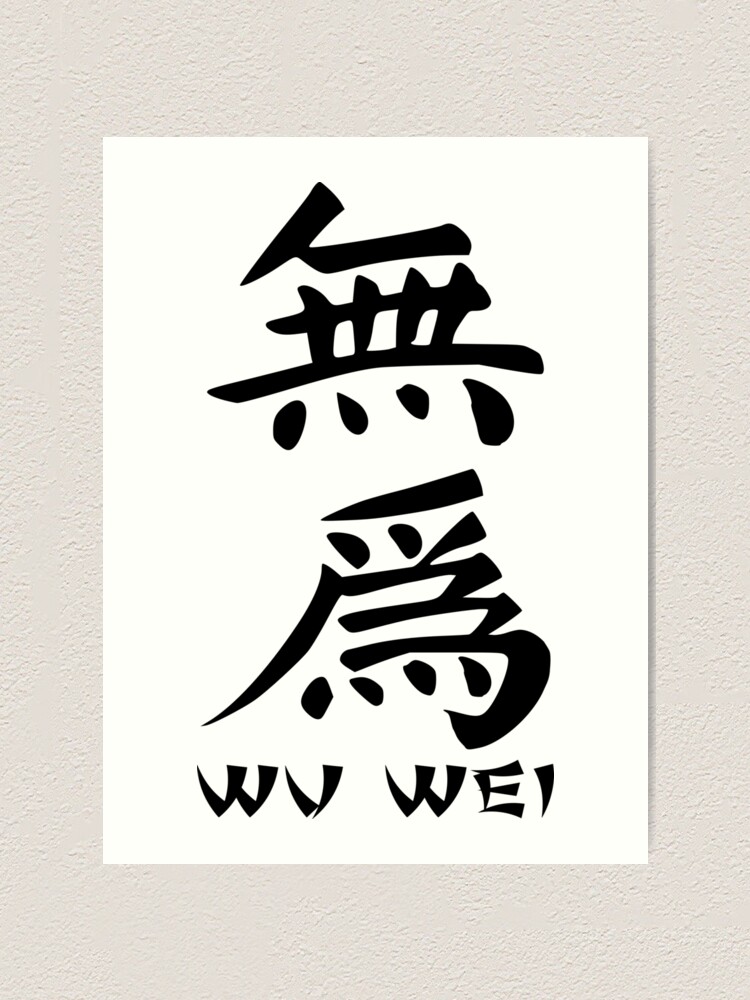
I know from reading the rest of the Tao Te Ching that this attitude is a central tenet of Taoism—Wu Wei, non-forcing, effortless action. It’s interesting that it appears so early, in verse two, counseling us from the start to align effortlessly with the ebb and flow of the natural world rather than swimming against the current.
The emphasis, however, is on effortlessness, not actionlessness. Later in the manuscript, I know there will be words about right action arising harmoniously, naturally and effortlessly, eschewing force.
These words encourage me to watch, wait, carefully observe, to understand the way of things, the natural flow. They ask me to cultivate patience and responsiveness rather than reactivity. They say, don’t jump to conclusions, give it time, don’t rush to intervene. But oh, habits of a lifetime are hard to change!
Later in Verse 2:
“When her work is done, she forgets it.
That is why it lasts forever.”
—Stephen Mitchell, Tao Te Ching, Harper Perennial Modern
Classics, 1988
Has all my work, all my striving, come to anything? At death, I’ll have to let it go. Will anyone remember it? Should I forget it too, as this verse counsels? What does it mean that work done and forgotten lasts forever? Does it endure in some hidden, mysterious way? I wrote a blog post a while ago on the Butterfly Effect—the way the tiniest flap of a butterfly’s wings can change things on the other side of the world. Is that what lasting forever means?
I know the message of these lines will return later in the text, counseling me to do whatever I discern as my authentic work in any situation and then let go of the outcome.
I also know that Taoist teachings, like Zen koans, employ paradox—action through non-action, strength through softness, lasting impact through forgetting. And so I stop trying to figure out what the text means and let the words fall like gentle rain on the thirsty ground of my heart.
Let it come, let it go. Let it ebb, let it flow.

