One instance of serendipity in exploring “death” as my One Word for 2026 is my retirement community’s simultaneous decision to host a 13-session, yearlong program on death and dying for our residents. The timing was ideal for me. The program provides the practical and social perspective for my emotional and spiritual probing.
I’ve been so impressed by the presenter’s sensitive and comprehensive treatment of end-of-life matters and planning that I asked if she would be willing to talk with me in depth about how she got into this line of work and what it means to her. She obliged, and after a lively hour together, I ended up with a ten-page interview transcript, which I have distilled into this blog post.
~~~~~~~
“You’re going to die. Why not die well?” asks the headline on the home page of Leona Oceania’s website, Die Well Death Education.
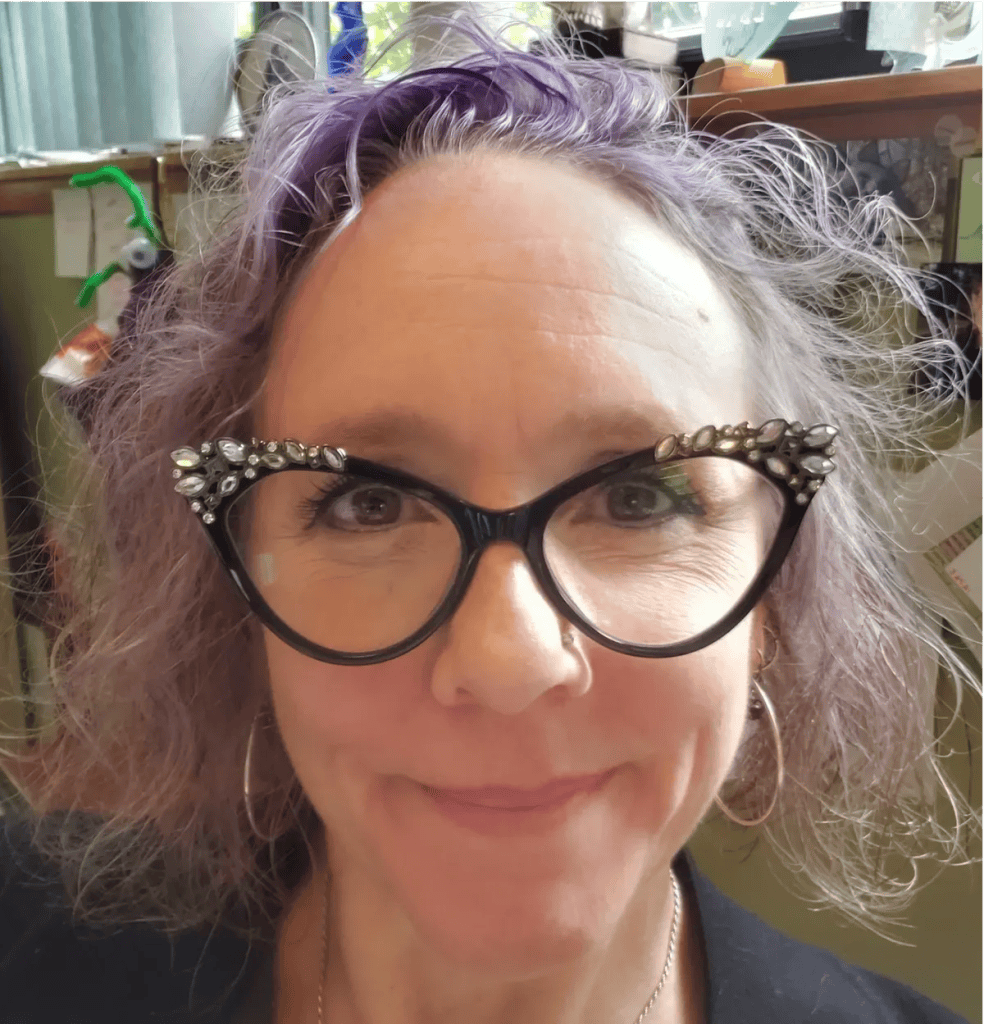
Good question. If we must die, who doesn’t want to die well? And what might dying well look like?
If anyone can make learning about death, dying, and our options for a good death downright compelling, it’s Leona. Previous attempts to discuss human mortality in my community had been poorly attended, and the conversation shy and stilted. However, this time, from the start, Leona packed the room.
Her appeal, at least for me, and I suspect for others, is threefold: she knows her stuff and is an eloquent communicator; she’s passionate about her mission to educate; and she sets a frank and open tone that emboldens her audience to ask questions they have not previously dared ask and discuss topics they have formerly avoided.
Like many others zealous about their vocations, Leona was awakened and inspired at a young age by a deeply personal experience that set her on the path to the work she loves. Though she had always been fascinated by death and puzzled by others’ unwillingness to talk about it, her biological father’s death from lung cancer in 2003 was her wake-up call. In her words:
“He was getting all the treatments, and it was not benefiting him in any way. I knew a little about hospice, and that it was a beneficial thing, so I suggested it and got a very negative reaction initially from the rest of the family. Ultimately, though, he did end up at home in hospice, and it was an amazing experience for everybody, though it was sad and overwhelming. He was young, only 54 when he died.
“I remember the critical moments that really set me on this path. He had a hospital bed in his living room, and his five brothers and sisters, my half-sister and I, were there. It was just the family in and out, but people were staying there and being with him. Eventually, he was unresponsive for about two or three days and was obviously getting closer to the end. It was January, and it just kind of organically happened that one of my uncles built a fire in the fireplace, which was right at the foot of his hospital bed. We all came into the room, mostly because the fire had been made, and we were sitting around. Wayne, my biological father, hadn’t been conscious for days. Suddenly he opened his eyes and looked directly at every single one of us. And then he closed his eyes, and he died. Wow. It was just amazing. It was sad, overwhelming, but also incredibly beautiful. I had never experienced that before, and it set me on the path to learning more about death. It was a pivotal experience. Once I started sharing about it and asking questions, I learned that others had similar experiences.”
Shortly after this occurrence, her grandfather, who knew of her interest in death, alerted her to the death café movement, and she began attending one in Portland, Maine. Her enthusiasm and desire to learn caught the attention of the Portland café’s founder, who, when she was moving in 2019, asked Leona to step in as facilitator. Seven years later, the café is still going strong, and Leona is still facilitating it and others in Maine. From the cafés, she learned about the End-of-Life Doula movement and signed up for online training. Things came together at the beginning of COVID in 2020 when she was laid off from her regular job and had extra time to devote to doula, home funeral guide, and life legacy training, all online. She had become a hospice volunteer just before the pandemic began, so she stayed in touch with her client through letters during the lockdown.
Once COVID lifted, she decided to dip her toe in the water to see whether a community-based death education program might be of interest. Through a colleague on the Funeral Consumers Alliance of Maine board, she contacted Portland’s West End Neighborhood Association and offered a program. It went well, so she offered another at her local library in Cape Elizabeth, then at the Scarborough Public Library, and she was on her way. After that, instead of convincing groups to host her, organizations recruited her. The Die Well Death Education brand was launched, and her programs are well received and well attended, with highly engaged participants.
Last year she presented one hundred programs, and this year she already has about 100 lined up. I asked Leona if this has become a full-time job, from which she earns a living. Her answer was halting: “Am I doing this full time? Yes, but I am still doing my regular job as well…Has this been, how do you say, lucrative? No.”
You see, Leona strongly believes the program must remain free for attendees.
“There are a couple of reasons for that. A, it’s hard enough to get people to talk about death without charging them money for it. And B, once you charge money, it seems to change the whole dynamic into something I don’t really want it to be. And then it also immediately excludes a whole bunch of people that need the information just as much as anybody else. So that’s not a very good business model. Most of the venues I present at are libraries or places already operating on a limited budget. So, even what I ask for as a fee is a stretch for them, but what I get for a fee doesn’t even scratch the surface of materials.”
Leona provides a purple folder of materials for each participant filled with information essential to preparing an end-of-life plan: advance directive, declaration of final disposition, information on wills, contact lists, financial information access, password access, death certificate, medical aid in dying (MAID), legacy work, obituaries, hospice, end-of-life doula offerings, living wakes, funerals, body disposition, and death cafés.
Some have suggested that she do away with the printed materials and direct attendees to online resources, but in her experience it’s important for folks to have the information readily at hand.
“…We live in such a death-phobic society, and nobody talks about this stuff. I come along and throw all this information at people. It’s overwhelming to begin with, but it’s also easy to be engaged with the topic and have good intentions to move forward with your end-of-life plan while you’re sitting in the room…but as soon as you go home, you lose the impetus… If you must go online and print all the documents, it’s easy to procrastinate. Whereas if you go home with the purple packet and it’s lying on your counter or someplace, and you see it, it’s easier to say to yourself, ‘I really should do that.’ So that’s the primary reason why I provide the printed material. That’s another non-negotiable for me: I think people need to walk away with information in their hands to motivate them to do the work.”
She also provides multiple flavors of delicious cake in the form of skulls, just one way she lightens the mood during the presentations.
A couple of people financially support Leona’s death education work, and she’s recently begun the application process for non-profit status. That will enable her to form an advisory board, apply for grants, seek tax-deductible donations, and perhaps eventually become a paid employee. But it’s a long road ahead and still very much a labor of love. She says, “I feel one thousand percent that this is what I am supposed to be doing.” She doesn’t know anyone else, especially in Maine, who is doing this work the way she is. Others give sporadic presentations on special topics, but she knows of no other comprehensive program. She’s always learning. When participants ask questions, she researches the answers and incorporates them into her program, which is, consequently, always evolving.
Leona has been extremely gratified by the response to her death education offerings.
“I have been so pleased with how much positive feedback I’ve gotten. I think people are really grateful and energized to learn they have more options than they thought. People get really engaged… It’s just been so positive, rewarding, and motivating. One woman—I love this story—raised her hand and said, ‘Why don’t we know this stuff?’”
I asked Leona if she thought some of her success could be chalked up to American society becoming more open and receptive to talking about death.
“That could be possible,” she opined. “I think COVID changed a lot of things for people. But I tend to think my approach also leads to success because I don’t tiptoe around it. I don’t use soft words; I just talk about it, and I’m upfront, and I try to bring levity to it.”
I also asked what age groups make up her audience. She says attendees tend to be on the older side, but she’s also had people in their twenties and even some teenagers.
“…when I do these programs, it’s an offering to everyone. It kind of drives me a little crazy when people want to bring me in only for an elder series. I’m fine with that, but in my head, this is for everybody. I think that the sooner you know this information, engage with your mortality, think about it, and prepare for it, the sooner you can put it aside and live your life in a freer, more meaningful way.”
Leona tries to avoid offering her personal views on death and mortality during her presentations. She sees herself as an information provider and a conversation facilitator. But there is one almost universal experience that she sometimes speaks about:
“I’ve seen it, and I’ve heard about it, consistently, the fact that people who are actively dying very often talk to or about people that have died before… And that’s consistent across cultures, religions, countries, and social groups. I’ve seen it over and over. There’s something to that, but I don’t know what it is. I’m not a religious person…I just feel that we’re made of energy, and that energy goes somewhere when we die. It brings me a lot of comfort, but I don’t know exactly what it means. So, long story short, I do not bring my own stuff to the conversation… I’m always intrigued to hear about what other people feel or think.”
What is most rewarding about this work? Leona says it’s twofold: one, getting the information into people’s hands, planting the seeds, letting them know about their options, and two, giving them tools for dealing with death at the bedside. She says,
“…if someone is bedside in a dying experience, they may remember things they can do to help the person that’s dying or themselves, to neutralize the fear of what’s happening…If you don’t know what to expect, it can look kind of scary, and it can seem like a terrible thing when it’s not.”
Of course, the overwhelmingly positive response to her program is also rewarding. “It’s all come together in a way that I never imagined. I’m doing the thing I really wanted to do.”
“What advice do you have for others interested in pursuing a career in death education?” I asked.
“There should be more of what I am doing. You can’t do it all by yourself. I don’t want a monopoly on it. I think the way I am doing it is kind of unique. Maine Death with Dignity does community presentations on medical aid in dying. There are obituary-writing workshops and legacy workshops, but I’m doing it all in one…People are so hungry for this information when it’s presented in a digestible way. I would love to see more of what I am doing.”
Talking with Leona, who is extremely well-informed about everything related to death and hungry to learn even more, was an exceedingly upbeat way to end my reflections on the Five Remembrances (see previous posts in this series). You could say she is passionate about death—well, really, about dying well and helping others make the decisions and take the actions that make that possible.


