“Hold on to the center.”
—Stephen Mitchell, Tao Te Ching, Harper Perennial Modern
Classics, 1988
This is the last line in a rather short Verse 5. It follows a series of descriptions of what the Tao is like. It’s like someone who doesn’t take sides; it’s like something that gives birth to both good and evil; it’s like a bellows but very useful. It’s like something you can use but never use up. It’s like something you understand less the more you talk about it.
And then, after this recitation about what the Tao is like, the last line stands alone, apart from the rest of the verse, seemingly unconnected.
“Hold on to the center.”
On a whim, I open another translation of the Tao Te Ching to read this verse—a beautifully illustrated one by Gia-Fu Fen and Jane English. Their verse five bears almost no resemblance to Stephen Mitchell’s. It talks about the ruthlessness of the wise, and of people as dummies. It calls the Tao the “space between heaven and earth,” but it bears some similarity to Mitchell’s translation with its sparse second-to-last line: “More words count less.”
However, the last line is virtually the same: “Hold fast to the center.”
I pull out a third and last translation by Witter Bynner. He uses the word Universe instead of Tao, says men come to their wits’ end arguing about it, but finally counsels entering the “marrow” of things; the essential part, the core—the center!
I’ve decided that comparative study of Tao Te Ching texts is not my cup of tea, and I’m not going to get caught up in it going forward, but I’m captivated by the sameness of the message in the last line across such diverse translations.
What is the center? Why am I admonished to hold on to it?
Is the center physical? Do I feel that my center is in my solar plexus—in the center of my torso, just above my belly button? Or is it in my heart, in the center of my chest? Or my abdomen? Is my mind the center—my consciousness or awareness?
Or is the center I am told to clasp something external to me? Some universal center, the center of life? Is it the Tao, the Way, the Source, God? Are my center and the universal center the same thing? Am I within it, and is it within me?
Did Lao Tzu have something particular in mind as the “center” when he admonished us to hold on to it? Or was he seeking to conjure in us a feeling of centeredness, focus, or mindfulness? Is the center he writes about common or intensely personal and individual? And why does the center matter? It seems to be crucial, especially in times of uncertainty, fear, change, or transformation. What purpose does it serve?
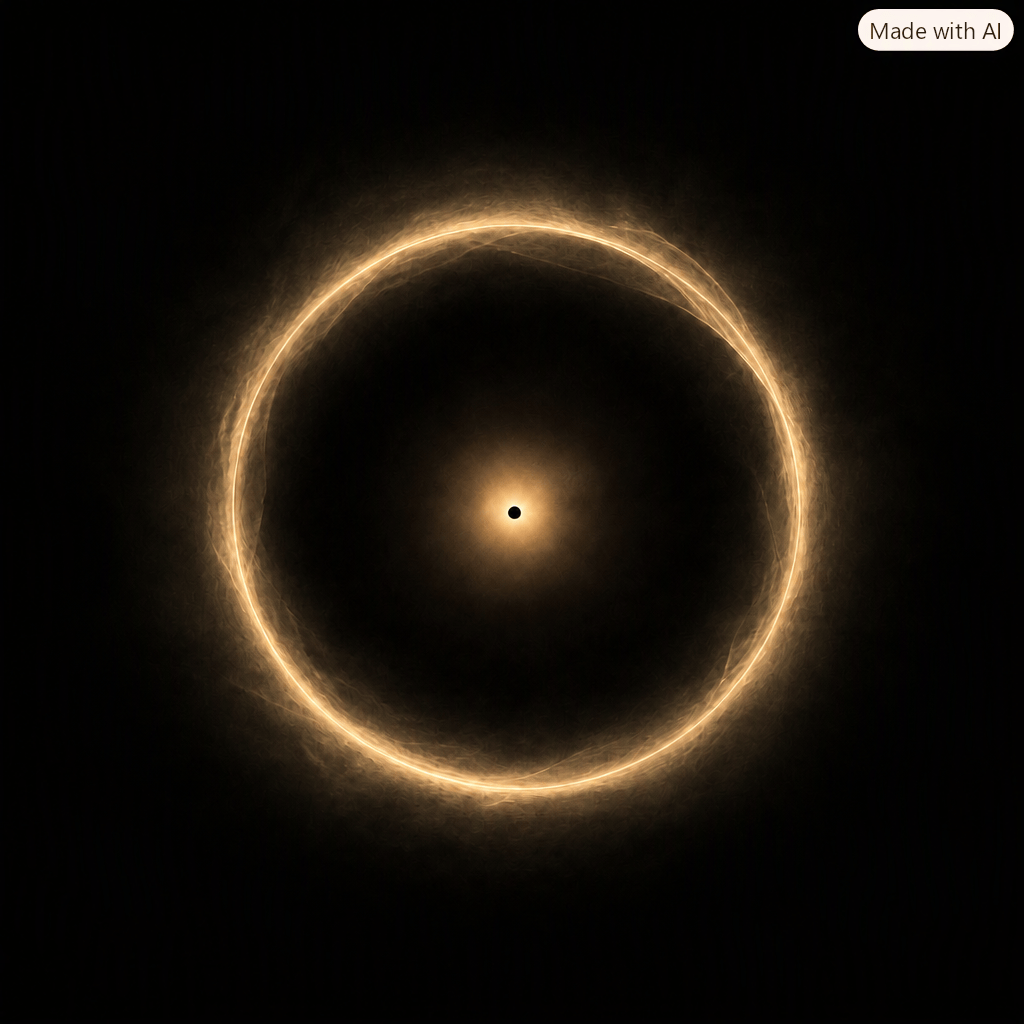
When I close my eyes and ask myself, “What is my center?” I find a place of warm darkness in the middle of my chest, a still place at the core of my being that grounds and steadies me. I call it my awareness. You may call it something different and find it elsewhere.
So, close your eyes now. “Where is your center?
Whatever you find there, may you hold onto it, and may it calm and anchor you.

