(Heads up! This reflection may seem a bit more theoretical than some of the others. 😊)
“We shape clay into a pot,
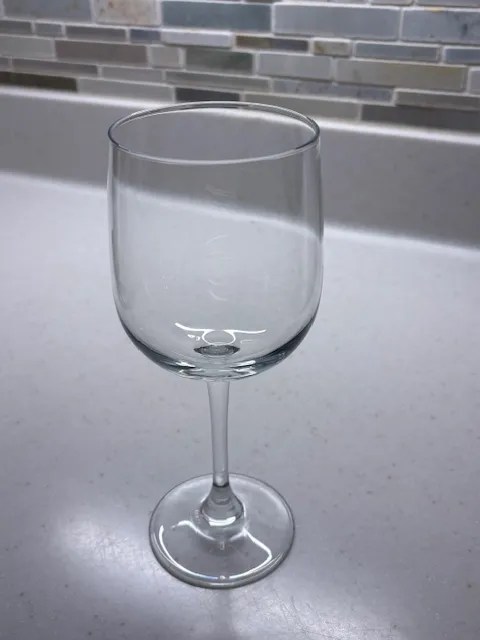
but it is the emptiness inside
that holds whatever we want.”
—Stephen Mitchell, Tao Te Ching, Harper Perennial Modern Classics, 1988
This koan is startlingly similar to Jesus’ teaching in Matthew 15:11, 18–20.
“What goes into someone’s mouth does not defile them, but what comes out of their mouth, that is what defiles them…But the things that come out of a person’s mouth come from the heart, and these defile them…”
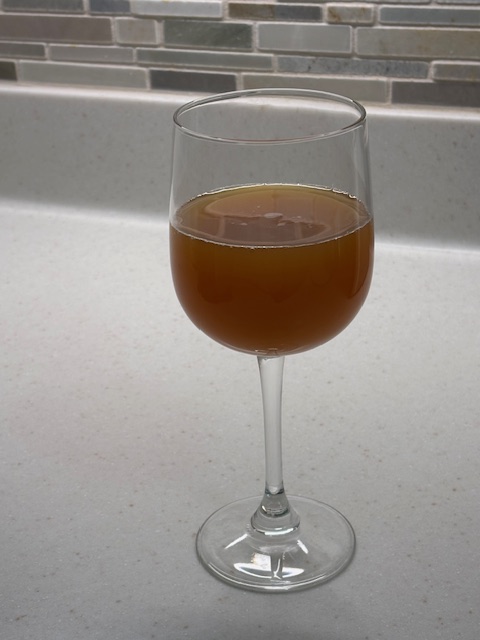
What matters is what’s inside the container, not the container itself. What we put into the container matters, and we can choose whatever we want.
Emptiness—the space inside. What matters is what’s on the inside, not the exterior. The container may be beautiful, but it may leak or turn the contents sour. Or it may be ugly, but what it holds is sweet and nourishing.
This koan speaks to me of cultivating, honoring, and using emptiness. But what does emptiness mean to me? Spaciousness, openness, availability, possibility, creativity. Emptiness is the source from which everything is born. In a sense, it doesn’t exist at all; it is simply unformed energy.
It’s a big conceptual leap, perhaps, but this passage from Verse 11 reminds me of the Buddhist Heart Sutra, which expresses the wisdom of emptiness. Thich Nhat Hanh translates it as The Insight that Brings Us to the Other Shore*:
“Listen, Sariputra,
this Body itself is Emptiness
and Emptiness itself is this Body.
This Body is not other than Emptiness
and Emptiness is not other than this Body.
The same is true of Feelings,
Perceptions, Mental Formations,
and Consciousness.”
Our physical bodies are containers for whatever we put into them. They are porous containers because they are not separate “self-entities” from everything else that exists. This speaks of interbeing and interdependence.
So, I find both perspectives on emptiness helpful: emptiness for holding what is useful, and emptiness as the antidote to separation.
So, what is inside this container, my body? I don’t mean my organs, muscles, and veins, but the spirit, the energy that animates it. And how does that energy unite me with everything else in creation?
Verse 11 ends with “We work with being, but non-being is what we use.”
We work with the material, but the immaterial is the essence of things.
We work with forms, but the formless underlies everything.
We shape clay into a pot, but the emptiness inside is what matters.
What in my life is empty right now? Must I fill it? Can I let it be as it is?
*I strongly recommend listening to the Plum Village chant of this Sutra at the link provided. In my opinion, it is one of the most beautiful Buddhist chants.