The First Remembrance: I am of the nature to grow old. There is no way to escape growing old.
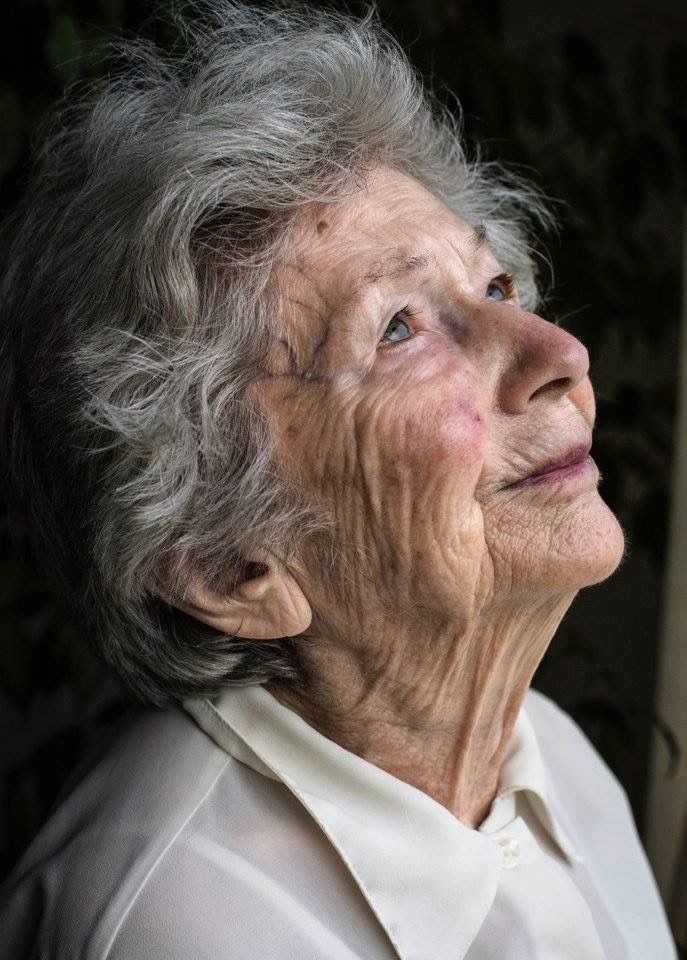
The first of the Five Remembrances invites us to face the truth of growing old, and to recognize it as a path toward humility, authenticity, and coming home.
The First Remembrance: I am of the nature to grow old. There is no way to escape growing old.
Let’s start with the body. And let’s be ordinary and practical. As the years pass, I change physically. What a cliché—and yet, how true!
My internal organs—heart, kidneys, liver, etc.—wear out from constant work, 24/7/365. Joints need to be replaced. Plaque builds up in arteries, and skeletal injuries worsen. Sun, wind, water, and chemicals all take their toll. Wrinkles and age spots appear, skin sags, and tears. My prescription lenses grow thicker; cataracts form and must be removed. Though my hearing continues above average, I watch others struggling, even with hearing aids. My balance is compromised, and I’m slower and less steady. I forget names, words, and appointments, and I can’t express myself as fluently as I once could. I may not have dementia yet, but I’m not as sharp as I used to be.
If I’ve eaten well, exercised, slept well, have a healthy social network, and engage in meaningful work and activities, I may put off the worst effects of aging until my nineties or even one hundred. But while aging can be managed or delayed, it cannot be escaped. The years stack up inexorably.
Aging is not only physical. I am seen differently now. No longer am I identified by my education, career, or accomplishments. Instead, I’m classified as “retired” and viewed as vulnerable, dependent, and without purpose. I’m seen as a liability rather than an asset, a drain on resources rather than a contributor. Not surprisingly, if I’m wealthy, this ageist judgment may be mitigated slightly.
Sometimes, not too often to be a bore, I hope, I may catch myself reciting my resume—former jobs, publications, achievements—or, if I have children and grandchildren, their successes, as if to reassure myself that I mattered; that I still do.
I may resist becoming dependent and fear being a burden. Perhaps that’s why I keep driving longer than I should, put off using a cane or walker, and don’t admit that I can no longer bend over to clean the bathtub or see the thick layer of dust on the baseboards. Asking for help makes me feel diminished.
Others might notice that I need assistance and might even offer it, but perhaps I’m stubborn. Help can be expensive, whether one pays for it or asks for it, and refusing it can become its own burden. If I have the resources to purchase assistance, I can preserve my dignity a little longer. Acknowledging dependence changes relationships.
Friends drift away, not always by choice. They can’t see to write, can’t hear to call, can’t drive; energy fades, or they die. I may feel lonely and isolated. I could fix that by moving to a retirement community if I have the resources and the courage. Living in community as we age is probably the best option, but the aging process continues relentlessly.
Aging is not only erosion, though; that’s only half of the story. The glass-half-empty part.
There’s another half to the glass. I can accept that I am of the nature to grow old. Acknowledge the drawbacks of aging but embrace the benefits.
I am happier now than when I was young; more content, less competitive and ambitious. I have more time to indulge my creative urges and nurture my friendships. The inevitable physical decline and the social transformation shaped by cultural norms are offset by a new openness to gratitude, simplicity, and authenticity.
I may feel freer, more comfortable in my skin, and confident. Paradoxically, my physical diminishment is accompanied by an inner expansion, a movement away from the material and toward the spiritual. I may now have the courage to face challenges I once found threatening and therefore resisted or rejected. At the same time, simplicity is more attractive, and rest beckons.
I have time—glorious time—to sit still, stare into space, do nothing, nap without apology, and love what is right in front of me. I know intuitively that the past can be redeemed by forgiveness and love. The future? Well, it’s unknown, and I waste less time imagining or trying to control it. Because I know my time is limited, I can more clearly recognize and choose the opportunity that this moment offers. I’m on a journey home, and I’m getting closer and less afraid of arriving.
My many experiences, both painful and joyous, have mellowed and moderated me. The middle way is more appealing than the extremes. My intuitions have proven true repeatedly, so I increasingly trust myself. But my failures have humbled me, and I’ve learned that self-compassion is the only path to empathy for others.
These are the graces of growing old—the invitations that aging offers each of us.
So yes, I am frail, vulnerable, and dependent, but I’m also grounded, grateful, authentic, and vibrantly alive. All of these are my nature. Why should I want to escape?
Question for reflection: How are you experiencing aging—loss, expansion, or both?


I am truly staggered that no one has commented on this post or connected. Your experience is waiting for all of us, for many of us it has already arrived.,For only a few of we acknowledge that it has already arrived. Well said 🙏👍🕉️
LikeLike
Nice to meet you, Dr. B. I look forward to hearing from you again in the future. Thanks for reading my blog.
LikeLiked by 1 person